Top Tips for Effective Dog Training Techniques

Training your dog can be one of the most rewarding experiences you share with your furry friend. Not only does it strengthen your bond, but it also ensures that your dog is well-behaved and safe in various situations. However, effective dog training requires patience, consistency, and the right techniques. In this post, we will explore some of the best tips and methods to help you train your dog successfully.
Understanding Dog Behavior
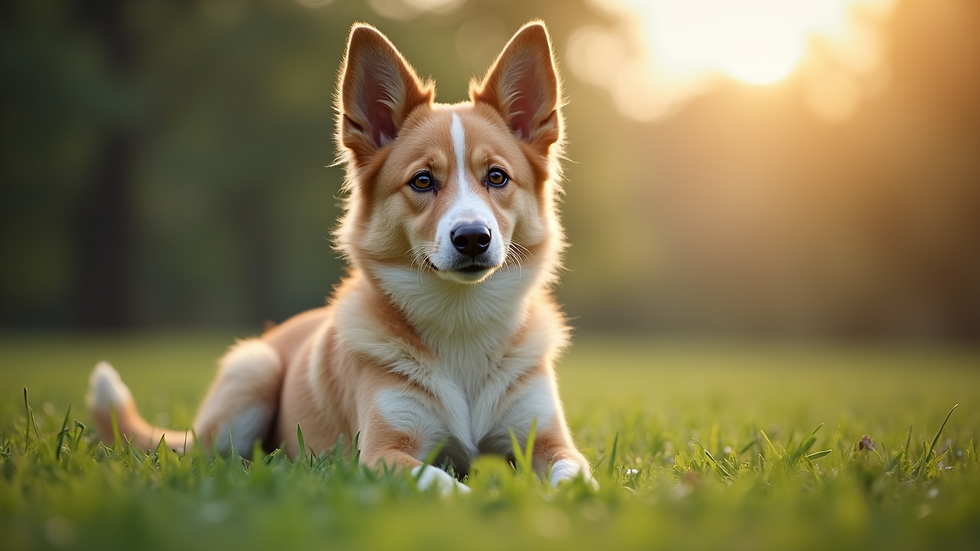
Before diving into training techniques, it's essential to understand your dog's behavior. Dogs communicate primarily through body language and vocalizations. Observing these signals can help you tailor your training approach. Here are some key behaviors to look out for:
Tail Position: A wagging tail often indicates excitement, while a lowered tail may signify fear or submission.
Ears: Erect ears suggest alertness, while ears pinned back can indicate anxiety or aggression.
Posture: A relaxed body posture indicates comfort, while a stiff stance may suggest tension or readiness to react.
Understanding these signals will help you respond appropriately during training sessions.
Establishing a Training Routine
Consistency is crucial in dog training. Establishing a routine helps your dog understand what to expect and reinforces learning. Here are some tips for creating an effective training routine:
Set a Schedule: Choose specific times each day for training sessions. Short, frequent sessions (5-10 minutes) are often more effective than longer, infrequent ones.
Choose a Quiet Environment: Start training in a distraction-free area to help your dog focus. As they progress, gradually introduce distractions.
Use Positive Reinforcement: Reward your dog with treats, praise, or playtime when they exhibit desired behaviors. This encourages them to repeat those behaviors.
Basic Commands to Teach
Teaching your dog basic commands is essential for their safety and your peace of mind. Here are some fundamental commands to start with:
Sit
Hold a treat close to your dog's nose.
Move your hand up, allowing their head to follow the treat. This will cause their bottom to lower.
Once they are in a sitting position, say "Sit," and give them the treat.
Stay
Ask your dog to sit.
Open your palm in front of you and say "Stay."
Take a few steps back. If they stay, return and reward them.
Gradually increase the distance and duration.
Come
Put a leash on your dog and let them wander a few feet away.
Call their name followed by "Come" in a cheerful tone.
When they come to you, reward them with a treat and praise.
Advanced Training Techniques
Once your dog has mastered basic commands, you can move on to more advanced training techniques. Here are some effective methods:
Clicker Training
Clicker training is a popular method that uses a small device that makes a clicking sound to mark desired behaviors. Here’s how to implement it:
Introduce the Clicker: Click the device and immediately give your dog a treat. Repeat this several times until they associate the sound with a reward.
Mark the Behavior: When your dog performs a desired action, click and reward them immediately. This helps them understand which behavior is being reinforced.
Leash Training
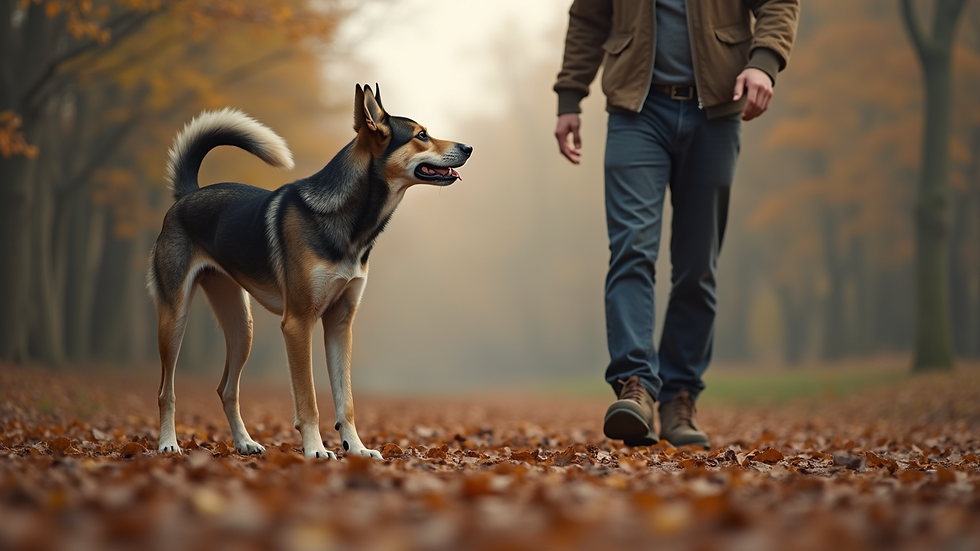
Leash training is essential for walks. Here’s a simple technique to teach your dog to walk nicely on a leash:
Start in a quiet area with your dog on a leash.
When they pull, stop walking and wait for them to return to your side.
Once they are next to you, resume walking. Reward them for staying close.
Socialization
Socializing your dog is a critical aspect of training. It helps them become well-adjusted and reduces fear or aggression towards new experiences. Here are some tips for effective socialization:
Expose Them to Different Environments: Take your dog to various places, such as parks, pet stores, and busy streets, to help them adapt to different sights and sounds.
Introduce Them to Other Dogs: Arrange playdates with friendly dogs to help your dog learn proper social cues.
Meet New People: Encourage friends and family to interact with your dog, allowing them to become comfortable around different individuals.
Dealing with Behavioral Issues
Sometimes, dogs exhibit unwanted behaviors that require correction. Here are some common issues and how to address them:
Barking
Excessive barking can be a nuisance. To manage this behavior:
Identify Triggers: Observe what causes your dog to bark. Is it strangers, other animals, or boredom?
Teach "Quiet": When your dog barks, wait for a pause, then say "Quiet" and reward them when they stop barking.
Chewing
Destructive chewing can be frustrating. To curb this behavior:
Provide Chew Toys: Ensure your dog has plenty of appropriate toys to chew on.
Redirect Attention: If you catch them chewing on something they shouldn't, redirect them to a toy and reward them for chewing it instead.
The Importance of Patience and Consistency
Training a dog takes time and effort. It's essential to remain patient and consistent throughout the process. Here are some reminders:
Celebrate Small Wins: Acknowledge and celebrate your dog's progress, no matter how small.
Avoid Punishment: Focus on positive reinforcement rather than punishment. This builds trust and encourages your dog to learn.
Conclusion
Effective dog training is a journey that requires dedication and understanding. By implementing these tips and techniques, you can foster a strong bond with your dog while ensuring they are well-behaved and happy. Remember to be patient, consistent, and always celebrate your dog's achievements. Happy training!

Comments